Finance Minister Paschal Donohoe has admitted that the "success" of the Government will be determined by its ability to tackle the housing crisis next year.
In an article in the Sunday Independent today, Mr Donohoe said that "serious inroads" would be made in the area of housing in 2018.
Describing the housing issue as the "most pressing problem of a generation", Mr Donohoe said the Government "must and will build more homes, tackle housing waiting lists and reduce homelessness" next year.
He also said the Government "will do all it can" to avoid the economy overheating next year, and anticipated that more people can expect a pay rise and tax cuts in the years ahead.
However, in the article, he effectively staked the Government's reputation on resolving the housing issue.
His comments followed an impassioned debate in the Dail last week in which Fianna Fail said the next election would be about housing and not the economy or Brexit, on which there was "almost universal acceptance of and approval for the policy thrust and direction".
It would be about tackling homelessness; those on housing waiting lists; those paying crippling rents; those unable to afford a home; those facing repossession or eviction; and children who are "having their childhood stolen".
In that debate, Fianna Fail's housing spokesman, Barry Cowen, also went so far as to say his party "will not be seen as part of the establishment''.
He added: "The Irish people must regain a bit of trust in the political and democratic system and see that we are not all the same. We can do things differently."
Today, Mr Donohoe writes: "I believe we cannot live up to the expectations of a modern democracy if we do not do all we can to ensure that everyone has shelter and a roof over their heads." He added: "Our success in this area will be a mark of our success as a caring, compassionate country."
In his article, Mr Donohoe also addressed positive developments related to the rapidly growing economy, which last quarter recorded a growth rate of 10.5pc year on year.
He writes: "More people found work and left the dole queues. Emigrants returned home and new people came to live here. And while there is still much to do, we improved, and invested more in, public services and our country's infrastructure."
He believed it was possible next year to achieve full employment, and that the State's books would be "broadly" balanced, meaning a reduced cost in servicing debt, leaving more money for public services.
He also predicted tax cuts and pay increases in the "years to come" as well as further capital expenditure and public service investment "to help our society heal" such as increased spending on transport, health and education.
In the debate on family and child homelessness, which was attended by just 19 TDs, Mr Cowen said it was "time for an extraordinary solution to an extraordinary crisis" and he said that his party would bring forward a significant new proposal to tackle the housing crisis early next year.
He said: "It is now time for me and others like me to say that there is a different direction in which we can go in order to help ameliorate the current situation."
This related to a need for the Housing Authority to "take control" of the issue, to be given terms of reference and a funding mechanism to "ensure the job can be done properly". The authority, he said, could go "off-balance sheet" with 51pc investment from private sector elements, such as credit unions, pension funds and Irish private equity funds that wish to invest in capital projects.
This could be complemented with government-backed funds in which citizens could invest. "The 49pc from the State could include the acres of land not being used."
Mr Cowen acknowledged the "economy is improving", that the deficit will be a thing of the past, which would allow the Government to promote growth in industry and innovation, leading to an increase in revenues, which could be reinvested in areas that have been subject to under-investment in recent years.
However, he said the Government's success, "when it is ultimately adjudicated upon" would not necessarily be on the economy or on Brexit: "It will be adjudicated on how it has performed and met the challenge in respect of those who are less-well-off, the poor, the disadvantaged and those who have been left behind through no fault of their own."
The Dail debate heard that there will be 1,463 families and 3,194 children in emergency accommodation on Christmas Eve. It was also stated that, since 2011, when Fine Gael took office, the number of children in emergency accommodation has increased by more than 300pc.
Since 2016, when the current Government took office, the rate has increased by more than 20pc.
Since Housing Minister Eoghan Murphy was appointed, the number of children in emergency accommodation on a given night has risen by 299. The length of time children are spending in emergency accommodation has increased, from six months in 2014 to two years on average now.
While there was some praise for measures which the current administration has put it place, there was also a view that government housing policies were not working.
There was also criticism of Taoiseach Leo Varadkar's recent statements that the level of homelessness in Ireland was, relatively, better than internationally; and also his view that while a citizen had a right to a home, he did not believe that everybody should be housed for free.
https://www.msn.com/en-ie/news/newsireland/judge-us-on-how-we-solve-housing-crisis-donohoe/ar-BBGPsee?li=AA54um&ocid=ientp




 de his debut for Munster on 19 September 2014, coming on as a replacement against Zebre in the Guinness Pro 12. He signed a three-year contract with Munster in January 2015.
 GANTOWN — West Virginia’s 28-23 win at Kansas State showed the defense had taken another step.
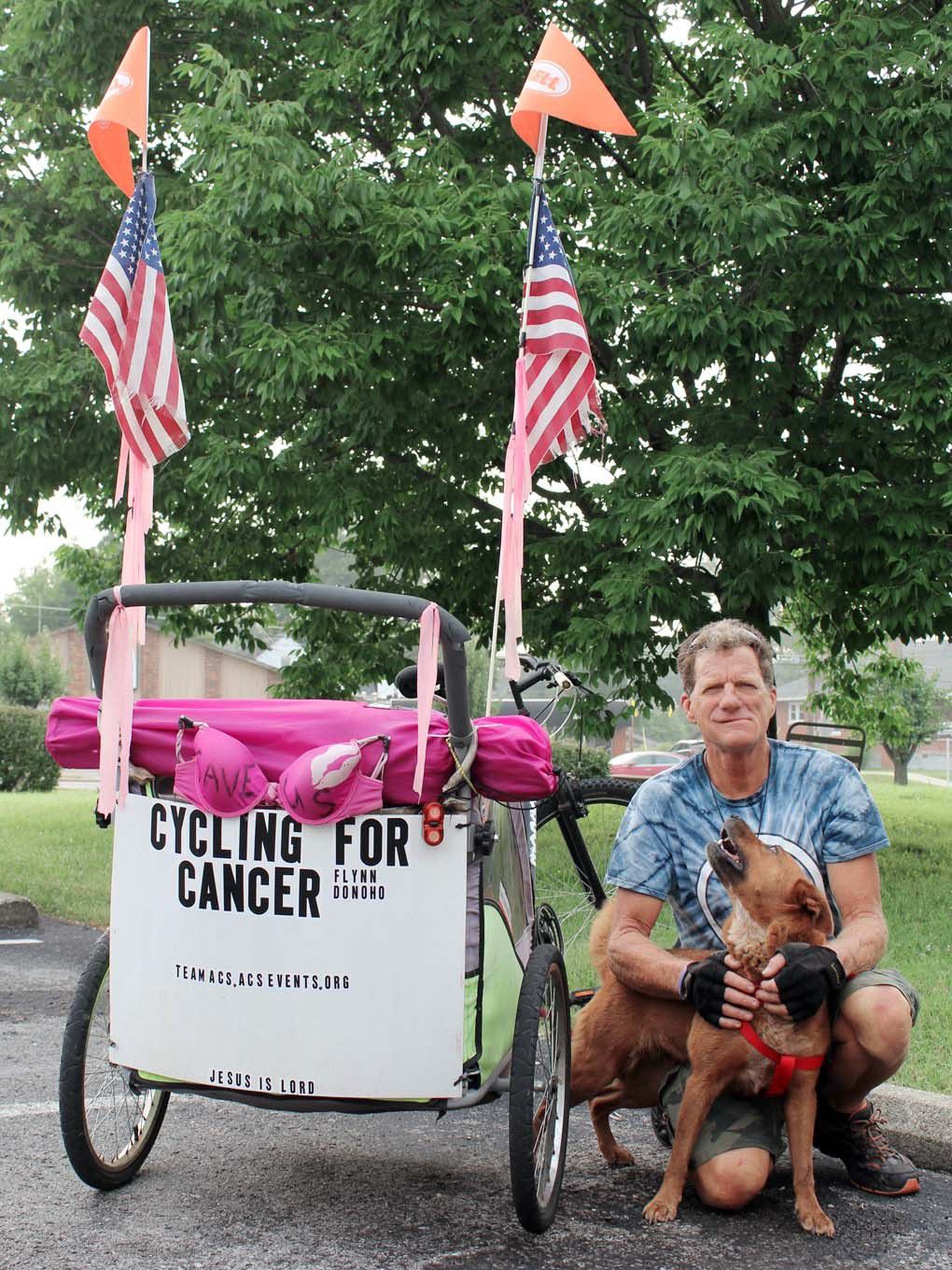 a man has peddled thousands of miles across the country with his dog, raising money and awareness for the American Cancer Society. Their latest stop was Monday in Elizabethtown.
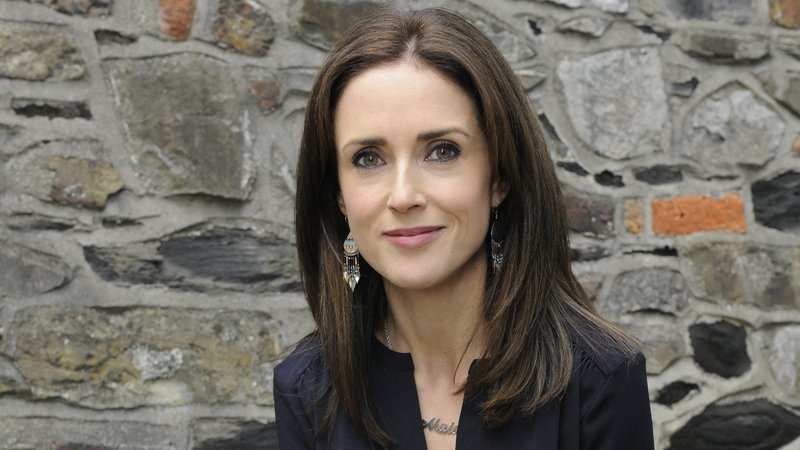 dcaster Maia Dunphy appeared on Friday’s Late Late Show where she spoke frankly about the realities of modern motherhood.
"I knew my friends who had kids were exhausted all the time, had less disposable income, didn't go out as much, but I didn't think about it that much until I was a mum myself."
The TV presenter spoke about society's fervent interest in women becoming pregnant, saying: "There’s no other aspect of human life that illicits so much interest than women’s fertility, it's unbelievable."
"They may as well say to you how’s your sex life. Nobody would say that!", she added jokingly.
The Dublin-born star said that the speculation and advice doesn't stop once you become pregnant. "It never stops, first it’s all the things you shouldn’t be doing, all the things you shouldn’t be doing, what you should be eating what you shouldn’t be eating", she said. "For some reason I became the poster girl for alcohol. I had one beer at my friend's 40th birthday when I was pregnant and my god the looks I got!"
Dunphy explained with her trademark directness that not all women "need" to have children. "I think it's really important for some women not to have kids, and to be allowed not to have kids", she told Ryan.
"If I had never had a child, there wouldn't have been a great void in my life. I would have filled it with food and travel and a career and sleep. Lots and lots of sleep", she deadpanned.
Dunphy spoke movingly about mother's feeling lonely, which is something people can be reluctant to admit.
"It’s a difficut thing to admit to being lonely. Motherhood is very lonely", she said. "Suddenly you find your self at a home with a tiny person who needs you all the time, 24/7, it’s quite isolating, and it’s exhausting and you need other people who understand that."
https://www.rte.ie/entertainment/2017/1020/914109-maia-dunphy/